Water Rights
Protecting the Tribes’ inherent water rights so they are recognized, quantified, and preserved for future and current generations.
Water Rights Program

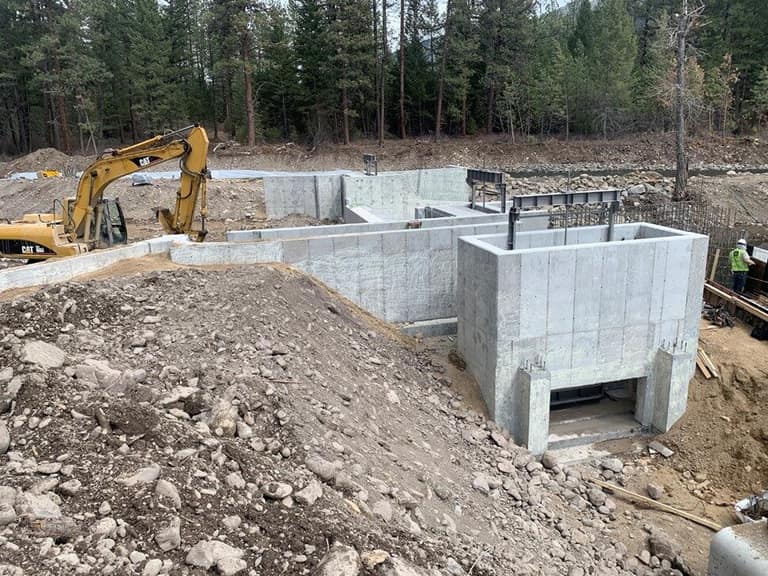
Road closure: During construction, the Tabor Feeder Canal road will be closed. Please see map for additional details.
Confederated Salish & Kootenai Tribes
DEWR was established to implement the CSKT-Montana Water Compact and support long-term stewardship and administration of Tribal water resources.
Water acts as the master regulator and lifeblood of all other natural resources. It sustains biodiversity, drives plant growth via soil, regulates regional climates, and provides the lifeblood for our subsistence fisheries and cultural resources. Without it, forests, wildlife, fisheries, and agricultural systems would collapse.
Our Programs
DEWR works to implement the CSKT-Montana Water compact though engineering, science, planning, construction, operations, resource management, and public engagement.
Protecting the Tribes’ inherent water rights so they are recognized, quantified, and preserved for future and current generations.
Water Rights Program
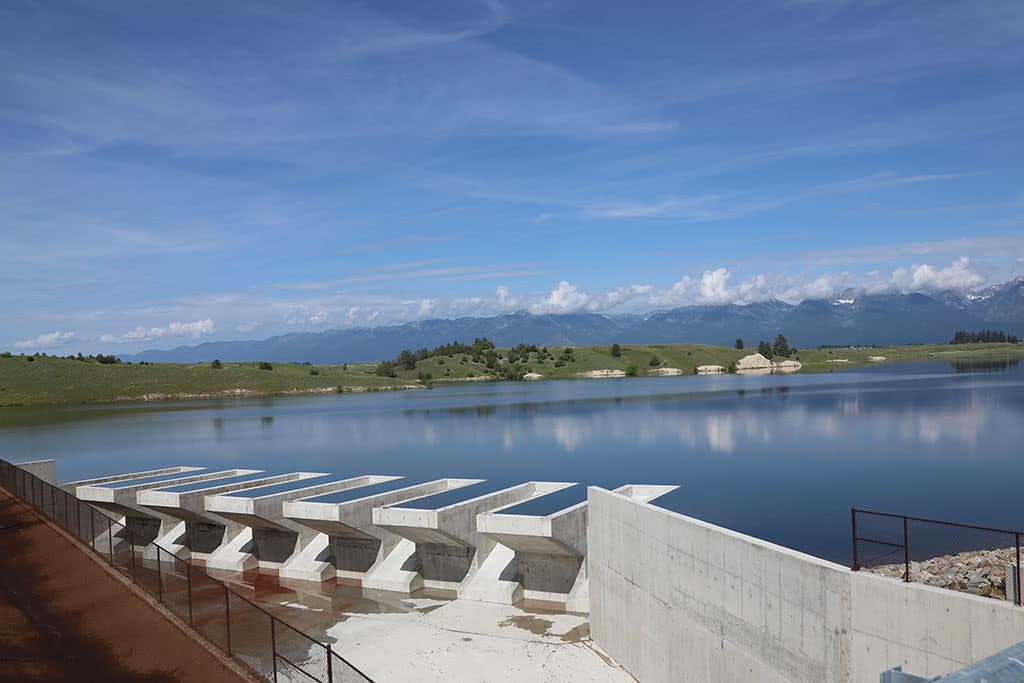
Inspections, instrumentation and performance evaluations for the Reservation’s 15 high-hazard dams.
Safety of Dams
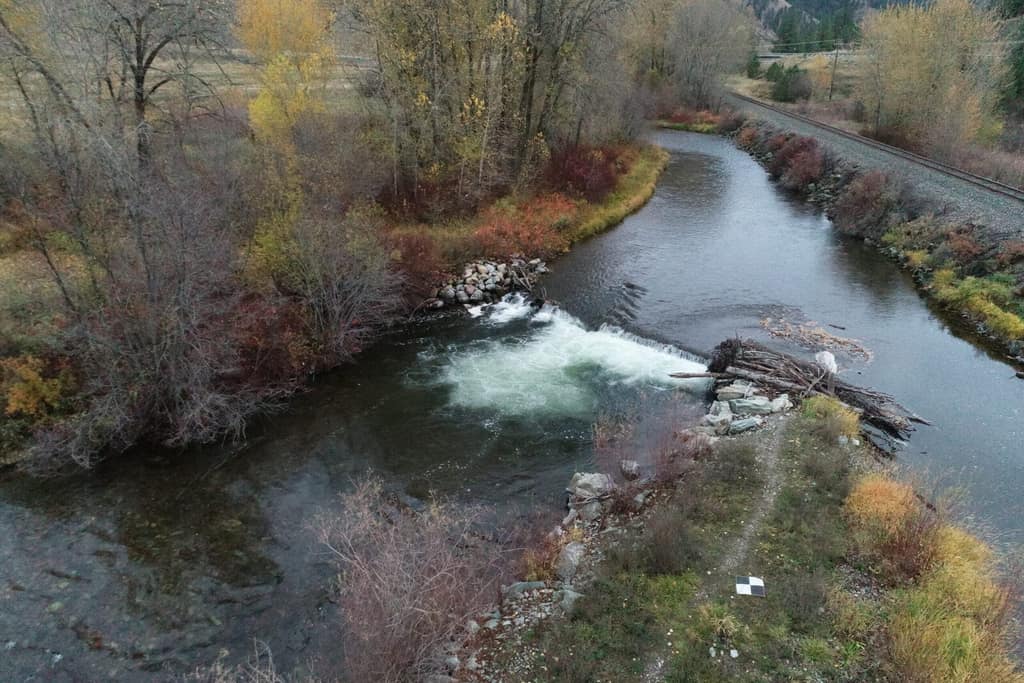
Restoration and mitigation for natural resources impacts of the Flathead Indian Irrigation Project.
Restoration Program
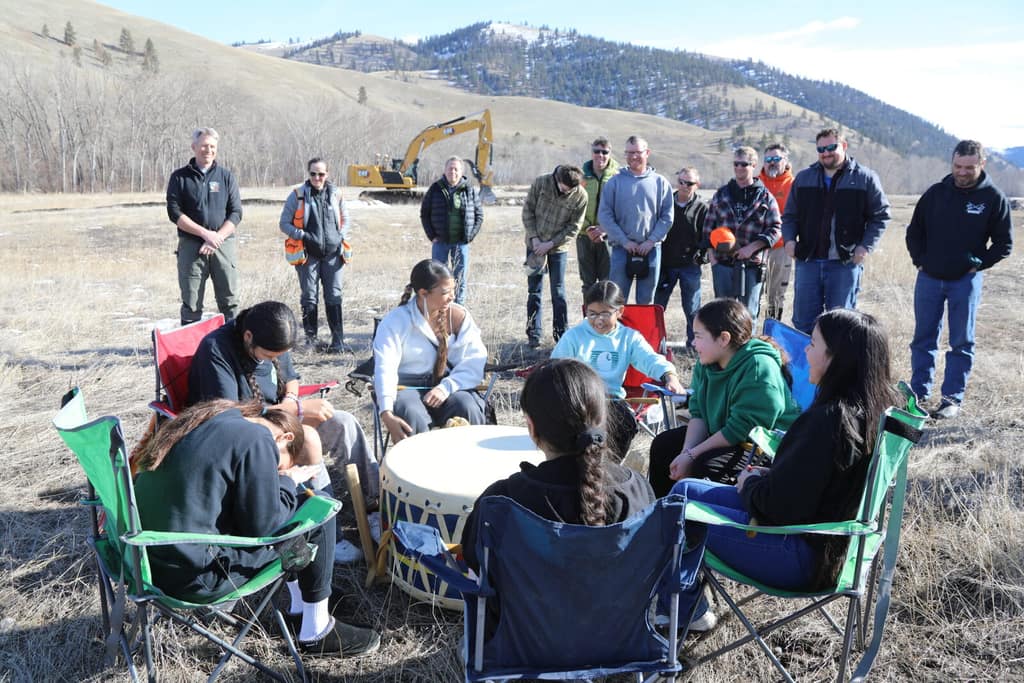
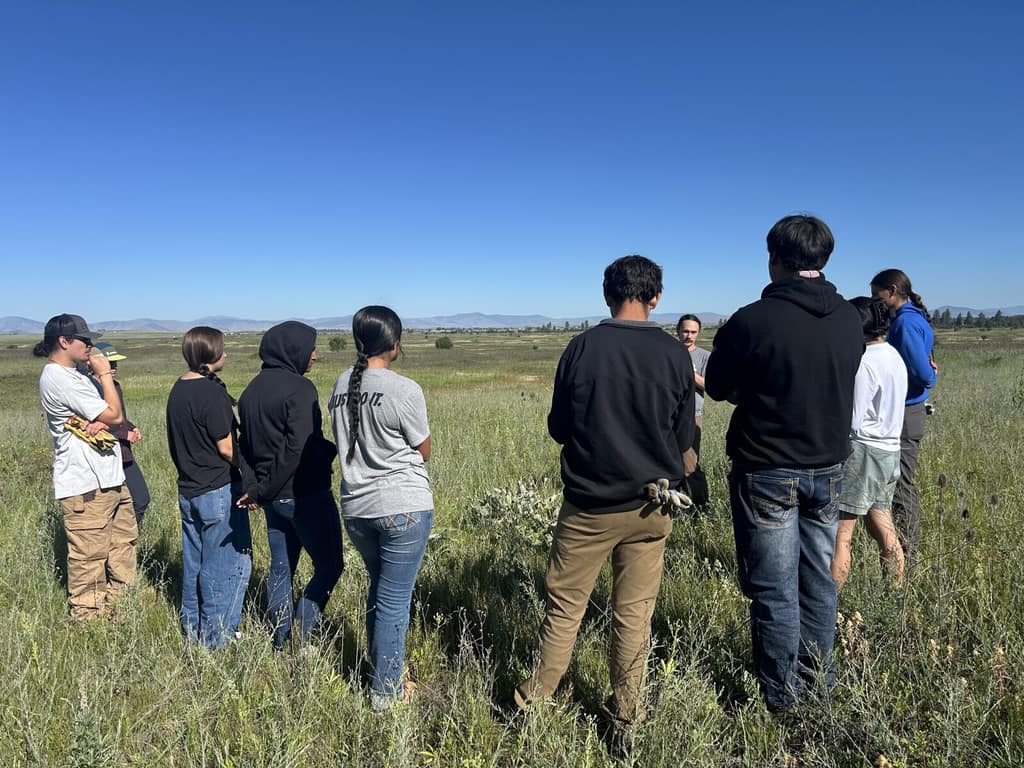
Outreach, map making and education with schools, youth programs, colleges and committees.
Information & Education
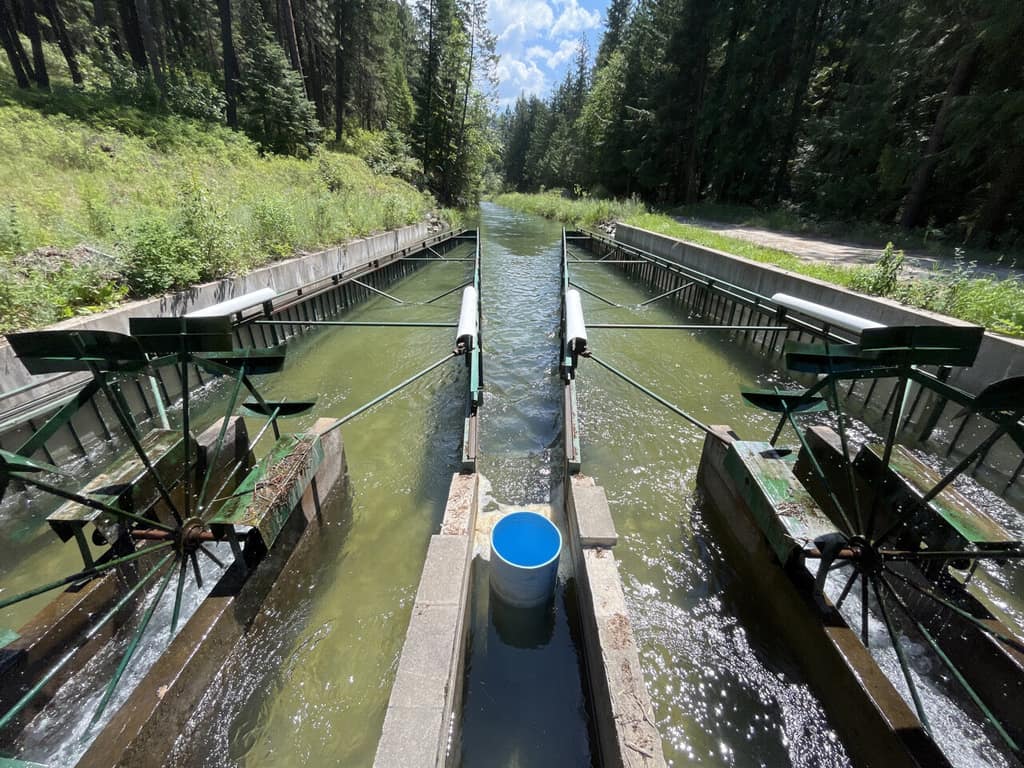
Rehabilitation and restoration of the Flathead Indian Irrigation Project with modernized control systems.
Irrigation program
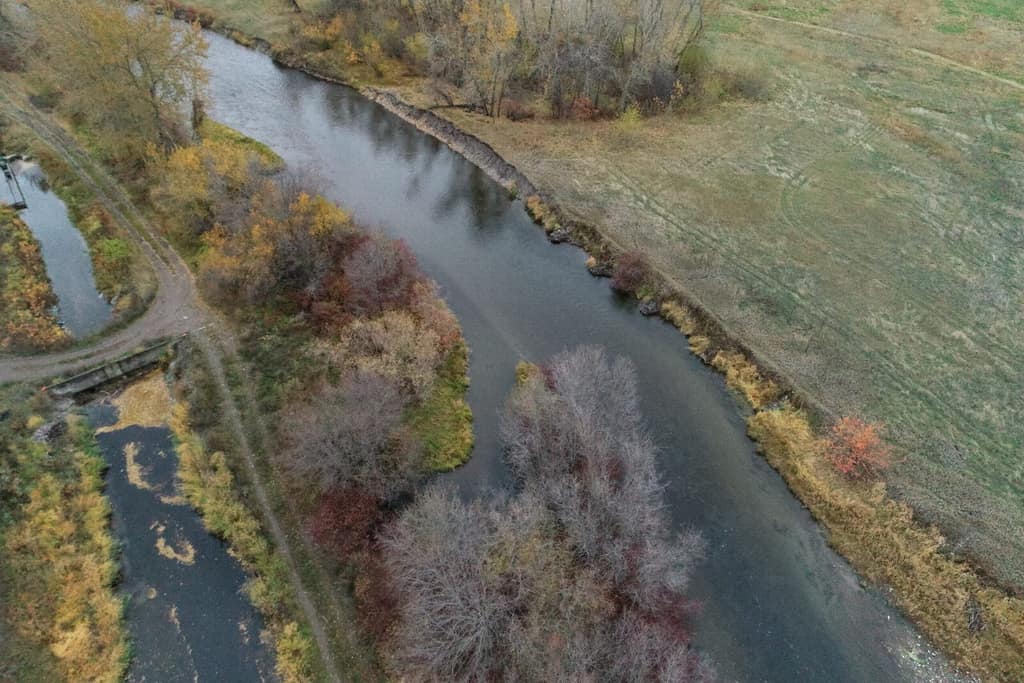
Data-driven approaches that balance the many water needs of the Flathead Indian Reservation.
Water Management
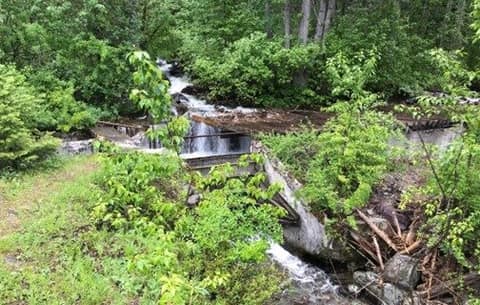
Quantifying snow, surface water, and groundwater resources on the Flathead Reservation.
Monitoring program
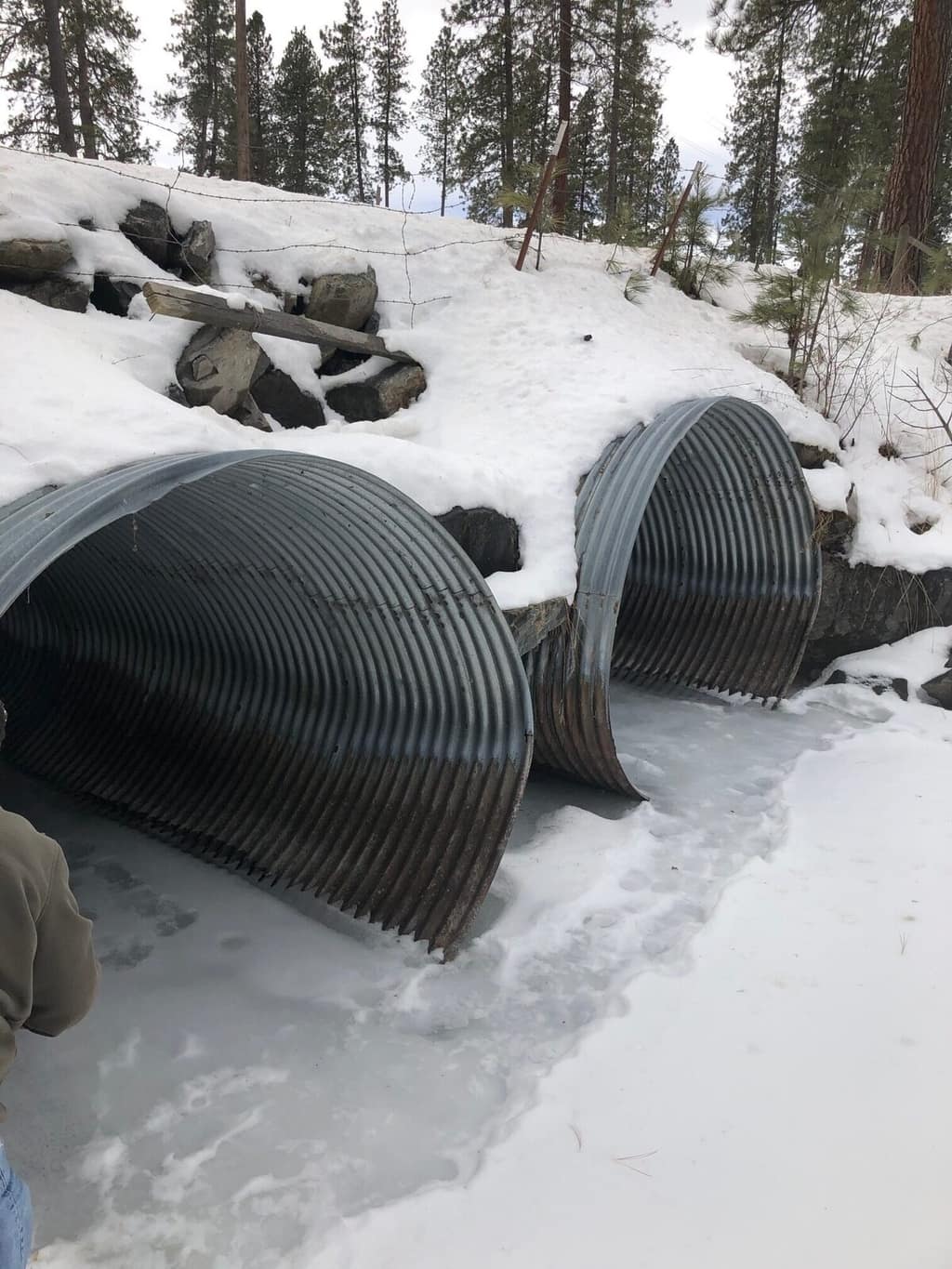
Maintenance and construction of certain BIA roads within the reservation boundary.
Roads Program
About DEWR
The mission of the Division of Engineering and Water Resources is to protect Tribal water resources and water rights, maintain the safety and integrity of critical infrastructure, and advance sound science, engineering, and resource management to preserve the natural and cultural resources of the Flathead Indian Reservation for current and future generations.
Our work includes irrigation modernization, fish passage and habitat restoration, dam safety, road improvements, water rights implementation, hydrologic monitoring, and community outreach.
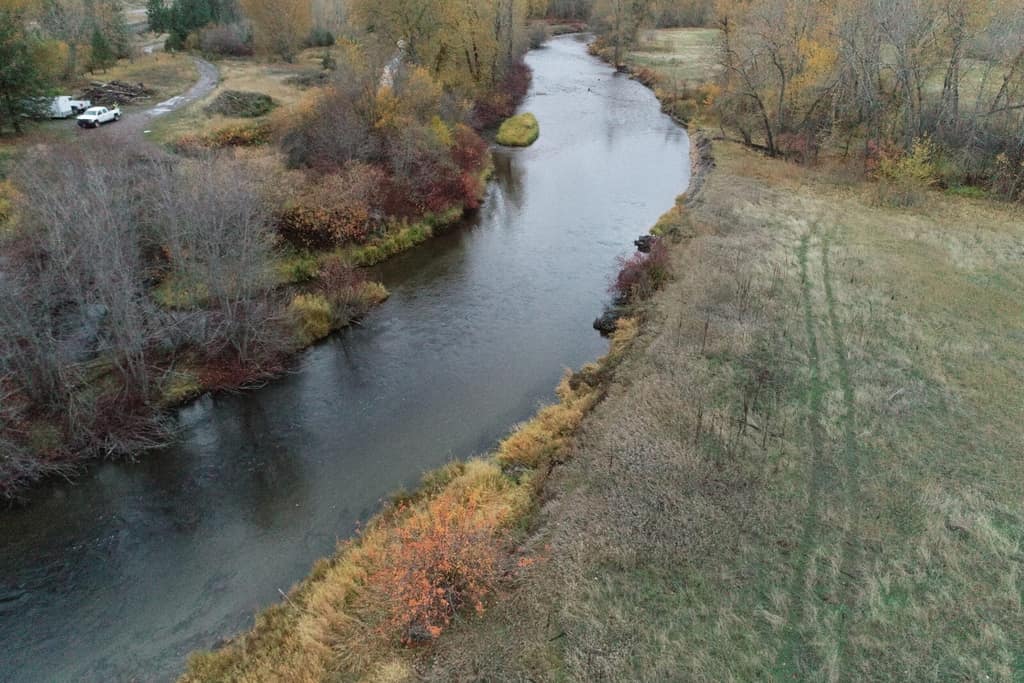
CSKT-Montana Water Compact
The CSKT-Montana Water Compact is a Tribal-State Federal agreement that quantifies and protects the Confederated Salish and Kootenai Tribes’ federally reserved water rights under the 1855 Hellgate Treaty. The Compact was approved by the Confederated Salish and Kootenai Tribes, the Montana Legislature, and the United States Congress, and became effective on September 17, 2021, following approval by the U.S. Secretary of the Interior.
On May 12, 2026, the Montana Water Court approved the CSKT-Montana Water Compact, marking the completion of decades of negotiation and legal proceedings. The final decree confirms the Tribes’ water rights and establishes the legal framework for administering the water rights recognized under the Compact.
The work, by the numbers
15
high-hazard dams overseen by Safety of Dams
141
BIA high-hazard dams monitored from Ronan
17.7
miles of pipeline in the Jocko conversion
2.8
miles of the Jocko River being restored
Highlighted Projects
Construction anticipated 2026 – 2028
Modernizing aging infrastructure to improve dam safety, water management, and irrigation reliability.
Read more
Phase Two – In Progress (2027)
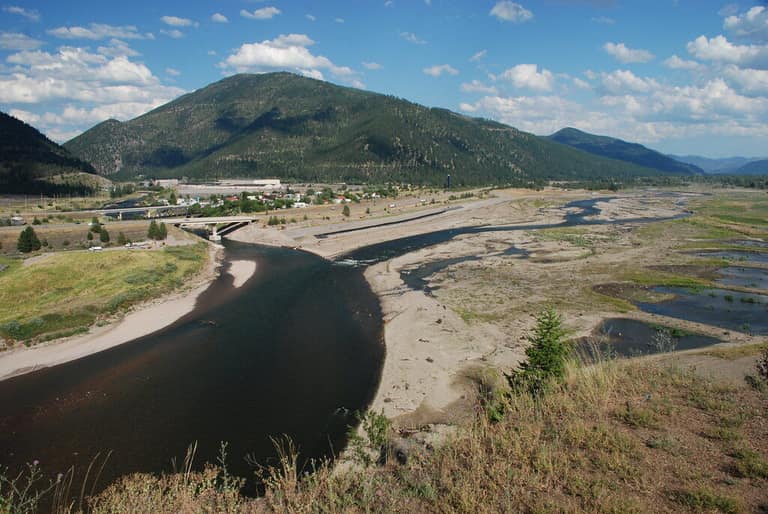
Restoring the 2.8 miles of the Jocko River to improve fish habitat, reconnect the floodplain, and support healthier riparian and wetland ecosystems.
Read more
Stay informed
We invite you to explore our work and stay informed about the ongoing implementation of the CSKT-Montana Water Compact.